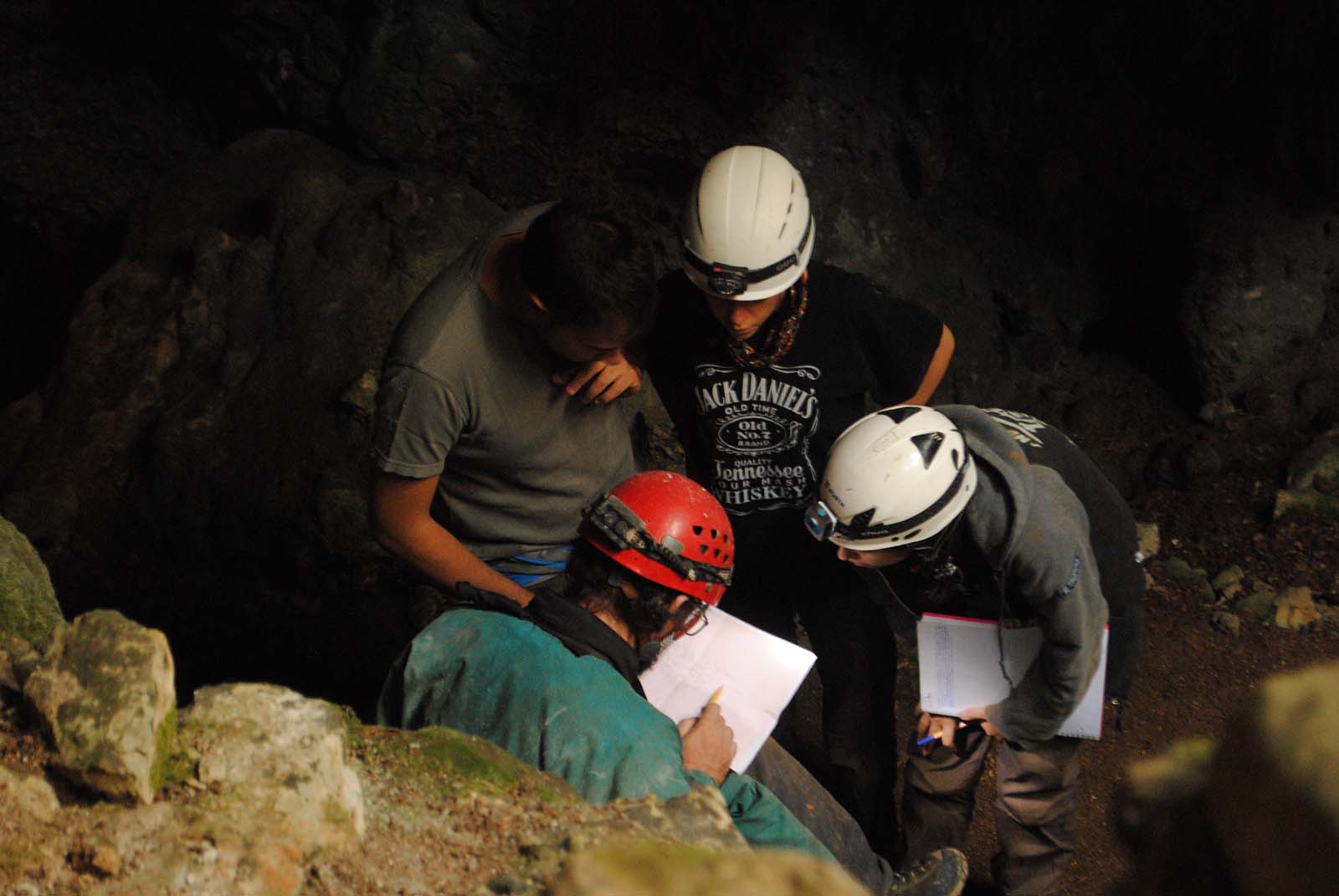
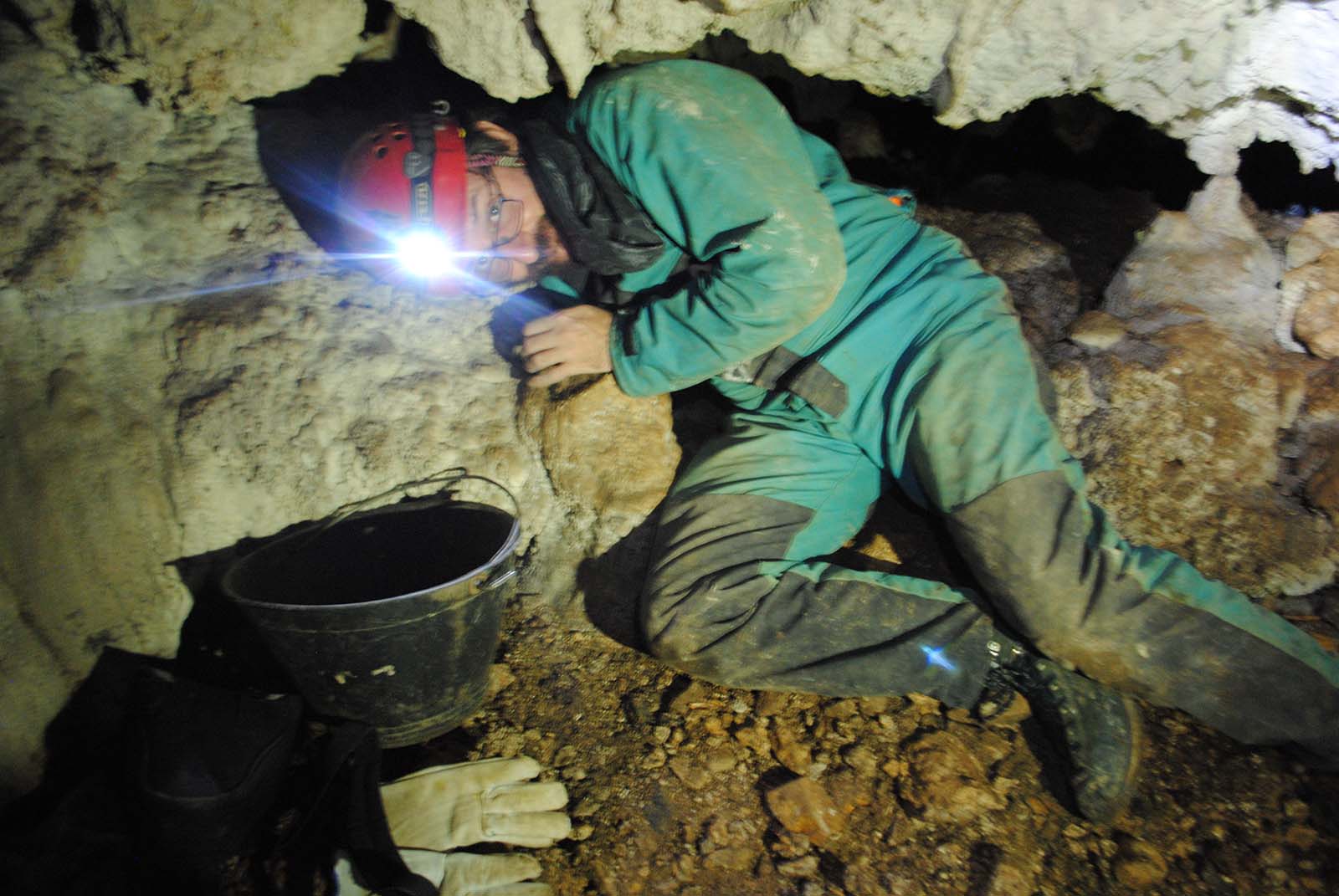
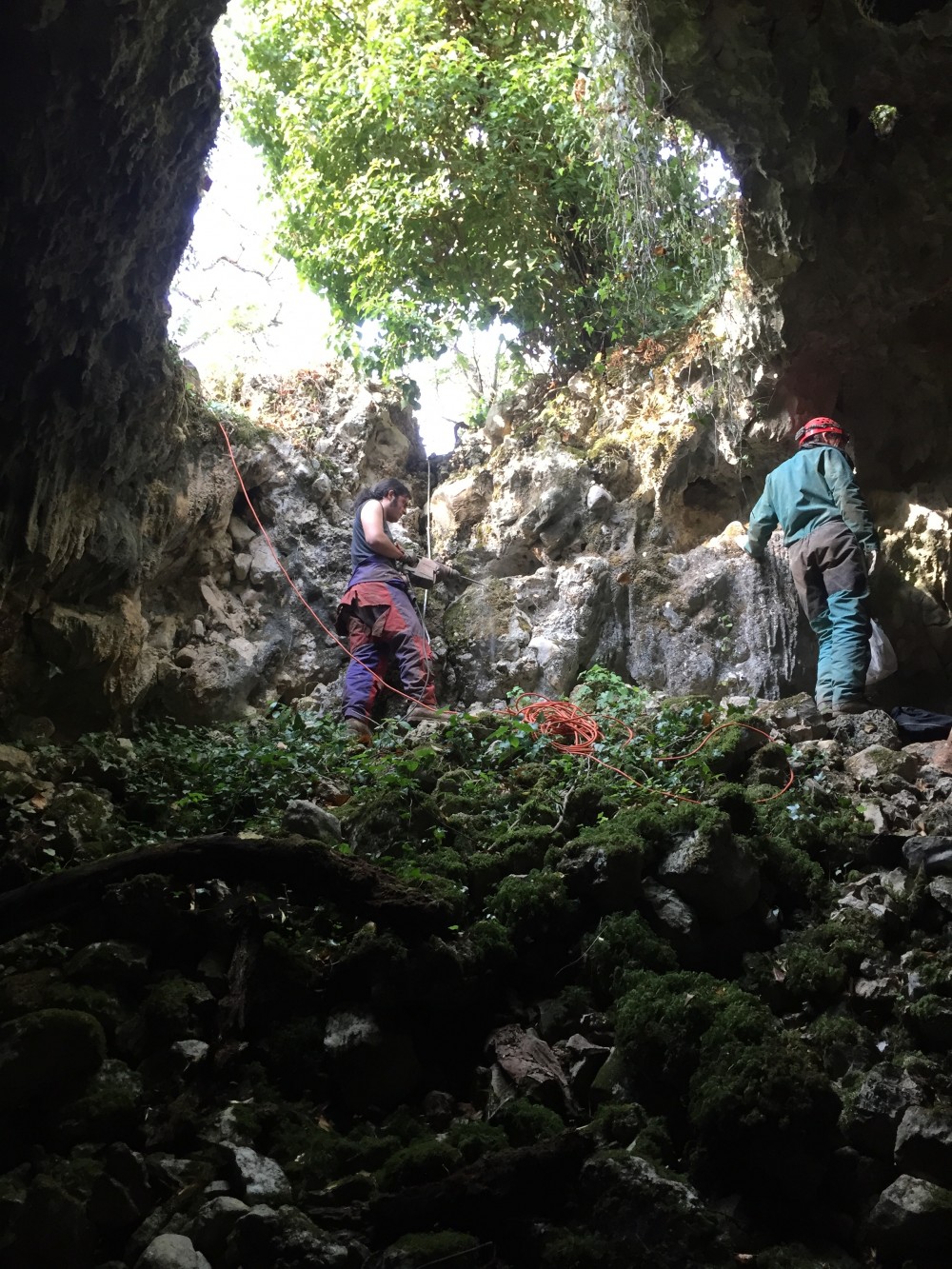
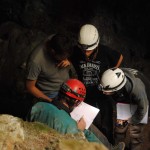
In February 2014, the entrance of the La Sassa cave was identified by a team of speleologists from Gruppo Grotte Castelli Romani and Speleo Club Roma, in the municipality of Sonnino.
Immediately after the entrance, there was a very large room in which modern and contemporary artifacts can be seen, just on the surface.
Steps and terraces were present. Information collected on the site confirmed the use of the cave as a shelter during the Second World War. A big portion of the chamber is occupied by rock debris.
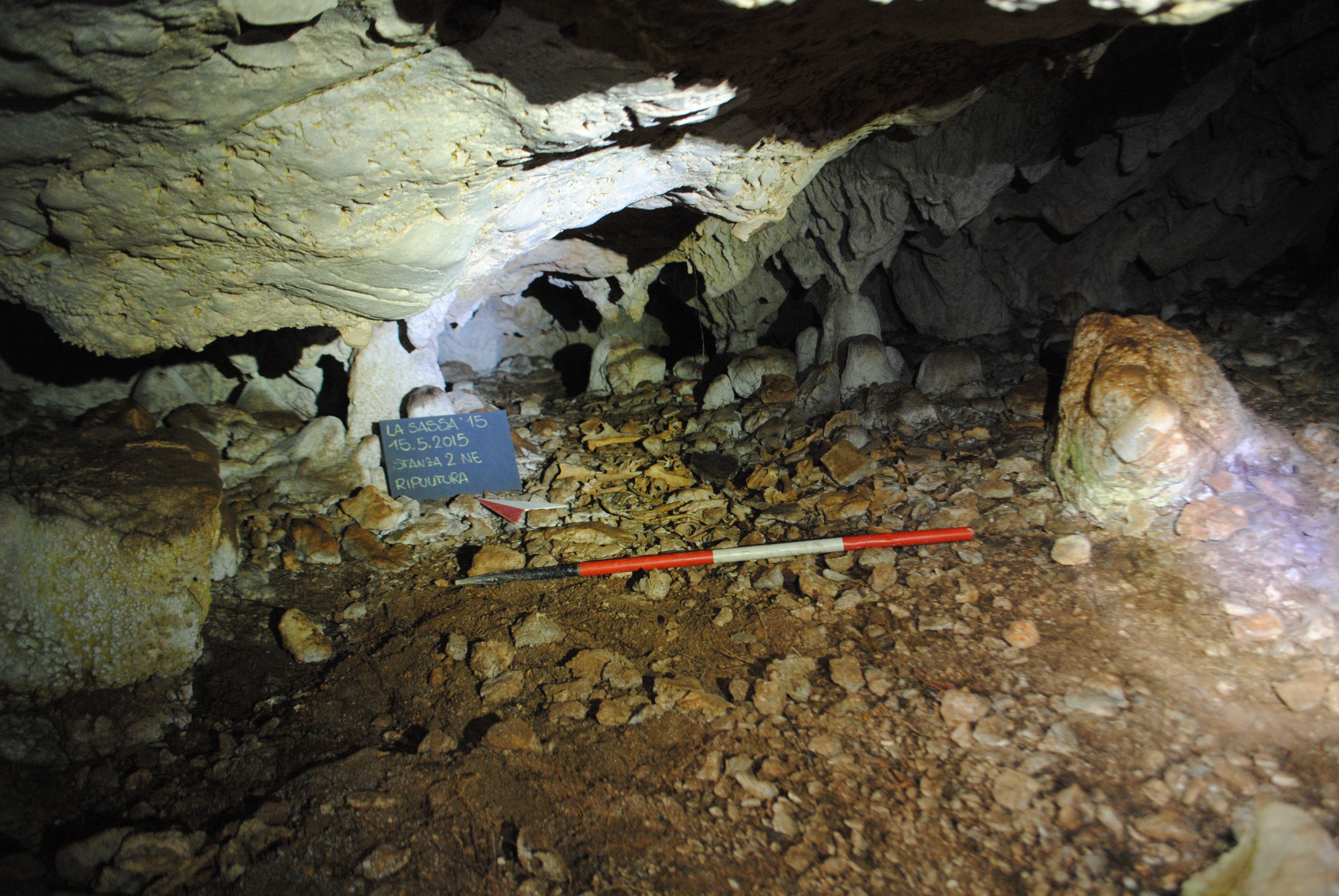
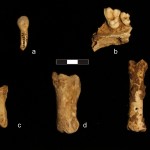
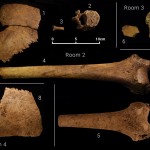
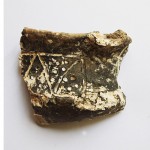
During subsequent exploration survey, in a small lateral branch, a very large quantity of impasto potsherds and animal bones were found, together with several fragments of a possible human parietal bone. The impasto sherds has been collected and can be dated to the Middle Bronze Age, sub-phase 2 (around 1550-1400 BCE).
Other human bones, two distal femoral epiphysis, left and right, were collected in another small chamber. These data would confirm the use of the cave as a burial place.
The archaeological excavation at La Sassa is a joint project between the Groningen Institute of Archaeology (L. Alessandri) and the University of Rome Tor Vergata (M. F. Rolfo).
The University Roma Tre (F. Bellatreccia) is studying the geological aspects.
The municipality of Sonnino is greatly supporting us in logistics.